PRP, short for platelet rich plasma, is a treatment derived from a person's own blood. It is talked about often for both skin and scalp. In this article I want to explain what PRP is, how it is prepared and when it is considered.
What PRP is
Blood contains cells called platelets. These cells carry components that play a role in tissue repair processes. PRP is the separation of the platelet rich part of the blood and its application to the area in question. Because the material used is the person's own blood, it contains no outside substance.
How it is prepared
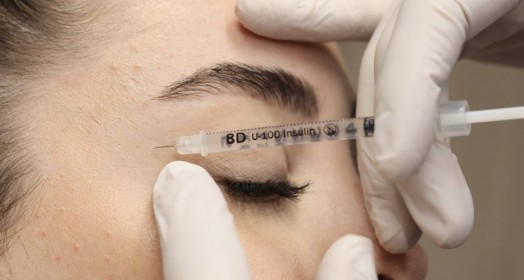
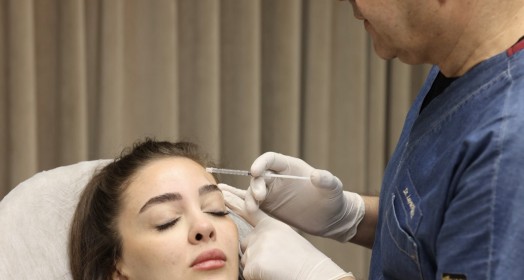
First a small amount of blood is taken from the person. This blood is processed in a special device to separate the platelet rich part. The resulting plasma is delivered in small doses to the treatment area. Preparation and application happen in the same session.
When it is considered
On the skin side it is considered for a dull appearance, moisture loss and vitality support. On the scalp it is often used to support hair loss. PRP on its own is not a big change but an approach to support the tissue's own processes.
How many sessions are needed
PRP is usually applied as a plan of several sessions at set intervals. The number of sessions depends on the area and the person's condition. Maintenance sessions may be needed from time to time to keep the effect.
Recovery
After the application, mild redness and tenderness can appear and usually pass quickly. For the first day, sun protection and avoiding intense exercise are advised.
To sum up
PRP is a gradual treatment derived from a person's own blood. Results depend on the starting point and are not the same in everyone. Whether it suits you becomes clear with a medical assessment. It may not be advised in some health conditions.