Botox has been used in medical aesthetics for a long time. Even so, plenty of myths still surround it. In this article I want to address a few of the most common beliefs and explain what is actually observed in practice.
Does the face freeze
The most common worry is a frozen, expressionless face. What really matters is the dose and the plan. The goal is not to stop the muscle completely but to soften the excess movement that creates lines. With a measured application, your smile and natural expression are preserved. A frozen look usually comes from a high dose or poor point selection.
Is it addictive
Botox is not addictive. When you stop, the muscle gradually returns to its former movement and the lines come back close to how they were. Your skin does not get worse, it simply goes back to its earlier state.
Is it only for older people
Botox can be used both to soften existing lines and to delay deeper lines from settling in. For that reason it can also be considered at a younger age. Still, the decision depends on a person's expression habits and the state of their lines.
Do you see results right away
The effect is not immediate. It usually becomes clear within three to seven days, and the full result can take up to two weeks. So it is normal not to notice a change right after the session.
Is it permanent
Botox is not permanent. For most people the effect lasts a few months, then fades gradually. Being temporary is an advantage for some, since the situation can be reversed if someone is not happy with the result.
Is it painful
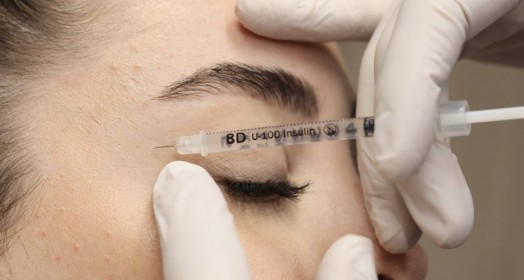
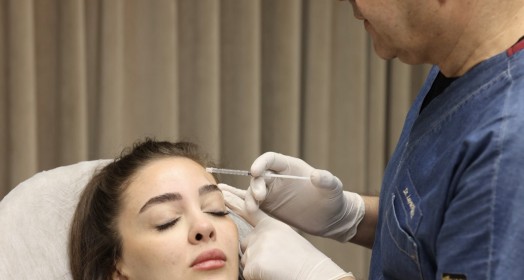
Because it is done with fine needles, most people describe it as a light prick. It usually does not need anesthesia. In more sensitive areas, extra comfort measures can be taken.
To sum up
When planned well, botox is a temporary and reversible treatment that can give a natural look. Even so, it is not suitable for everyone and is not advised in some situations such as pregnancy. A medical assessment before treatment is essential. Results vary from person to person.